
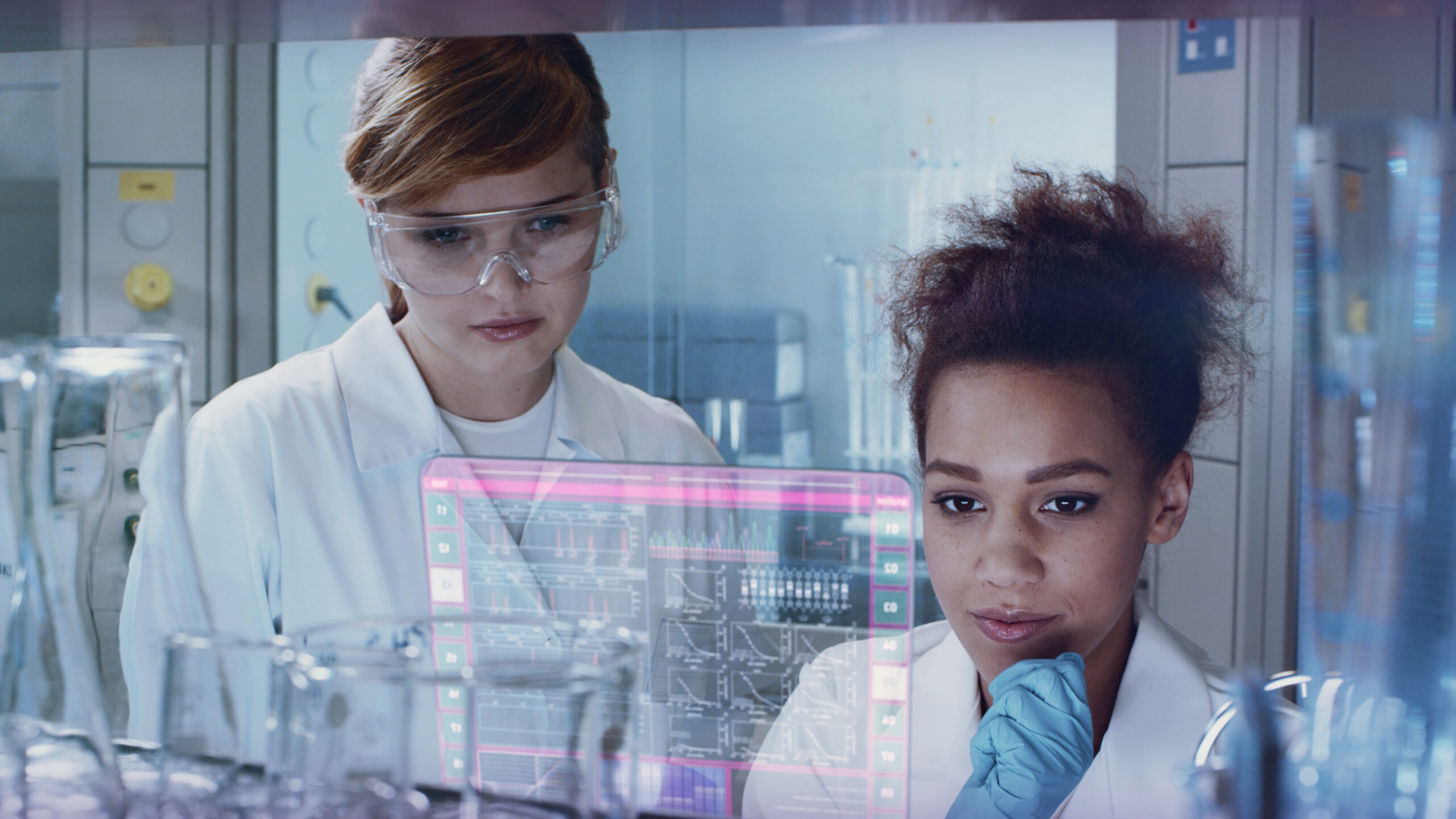

In life sciences, most digital twins never leave the lab. Process development teams pair experimental data with first principles dynamic simulation to understand how the unit operates, then test and tune the controls configuration before anything goes near production. Investing in a digital twin for this purpose typically pays off, but once the process is conceptually defined, the model usually gets shelved. Historically, building an accurate model has taken skilled engineers months to do. The associated costs of this work typically means that Life Sciences companies only invest in simulation where the financial return will be obvious and immediate. In other areas of the plant, the business case for a dynamic simulation model may not make the cut. Let’s change that. Keep reading to understand where and how digital twins have proven their operational and business value throughout the pipeline in pharmaceuticals manufacturing.
Today, AI is starting to change the math. It doesn’t replace skilled simulation engineers, but it does take on much of the initial configuration work that consumes a significant portion of the schedule and engineering effort. As the time and effort to build and maintain dynamic models comes down, the number of use cases where a digital twin makes financial sense goes up. The teams that benefit most will be the ones that put tools in the hands of engineers who understand both the process and the value of simulation.
Across life sciences, process development is the most common use case for digital twins. Teams use them to identify operational challenges early, understand how process variables interact, and optimize the process with far fewer physical experiments than the lab alone would require. But there is much more models can do once development is complete. That is the idea behind Multi-Purpose Dynamic Simulation: a single model, planned for reuse and kept up to date, that continues to deliver value across the plant lifecycle.
Where Simulation Models Deliver Value after the Lab
Shelving the model after development is a missed opportunity because much of the process knowledge a manufacturing team needs already lives within it. This doesn’t mean you already own a simulation that can be used for operator training or control system testing. A development model is typically built to solve specific design challenges.
However, to train operators or test changes, the dynamic model must be connected to your site’s control system configuration. It also must be extended to cover the full operating range rather than a single design point and respond the way your plant does during startups, changeovers and upsets. Upgrading the model does take engineering work, but much less than building a model from scratch.
In life sciences manufacturing, using a digital twin for operator training provides operators a safe place to train on complex or aseptic tasks before they ever touch production. It also gives engineers a place to test automation and procedure changes before they touch a GMP environment. Over time, the same model can also support more autonomous operation and better predictions of process performance, both of which help protect product quality.
A contract pharmaceuticals manufacturer we worked with put this into practice. The site was moving from single product to multi-product manufacturing. This meant more changeovers and the need for tighter batch control which placed enormous pressure on operators to accurately and consistently execute. Because the facility was fully validated, even small changes were slow and costly to document and test.
We built a digital twin for end-to-end batch testing across the multiple product trains. Better testing reduced the number of water-batch qualification runs, and validation support savings exceeded $1 million per year. Shorter testing cycles also made room for one additional production campaign in the first year. Learn more in this Life Sciences Case Study.
The site then made the model part of its Management of Change (MOC) process. Every automation and procedural change is now tested against the digital twin before implementation. Because the model is used for every change, keeping it up to date became a procedural step when implementing each change. Rather than a separate maintenance project for the client, Onyx 360 keeps the model synchronized with the live system by relying on our Managed Solutions team.
What AI Changes in Model Building and What It Doesn’t
Building a digital twin has historically been an engineering hours problem. Most of these hours don’t go into modeling decisions. They go into reading datasheets, entering equipment parameters, configuring tags, and reconciling information between tools that don’t talk to each other.
This is the work AI is getting quite good at doing. Automation and simulation suppliers are building AI directly into their modeling software. Give an AI tool the data from a chromatography skid along with equipment datasheets and operating procedures and it can recognize what it is looking at and generate a credible first pass at a first principles model.
AI can also help with hybrid modeling. Bioprocesses often have areas where mechanistic understanding, such as cell growth and metabolism, is incomplete. This knowledge gap between lab and production has been a barrier to using more robust, mechanistic models. A hybrid model uses first principles where the physics is well understood and empirical models where it isn’t. AI makes it faster to build both halves and to try different modeling strategies when the right one isn’t clear yet.
AI makes the first pass, but a first pass is not a validated model. Someone still has to decide which parts of the process the model must represent accurately for the decisions it will support. Which simplifications are acceptable? Do the answers make sense? That judgment comes from engineers who understand both the process and the simulation. AI doesn’t reduce the value of that expertise. It multiplies it. Using AI as a tool lets engineers explore more options, build more models, and spend more time on the questions that really matter.
Pairing AI with simulation and process engineering expertise is how a digital twin can be ready in time to inform a decision instead of arriving after critical decisions have already been made.
How to Trust your Model
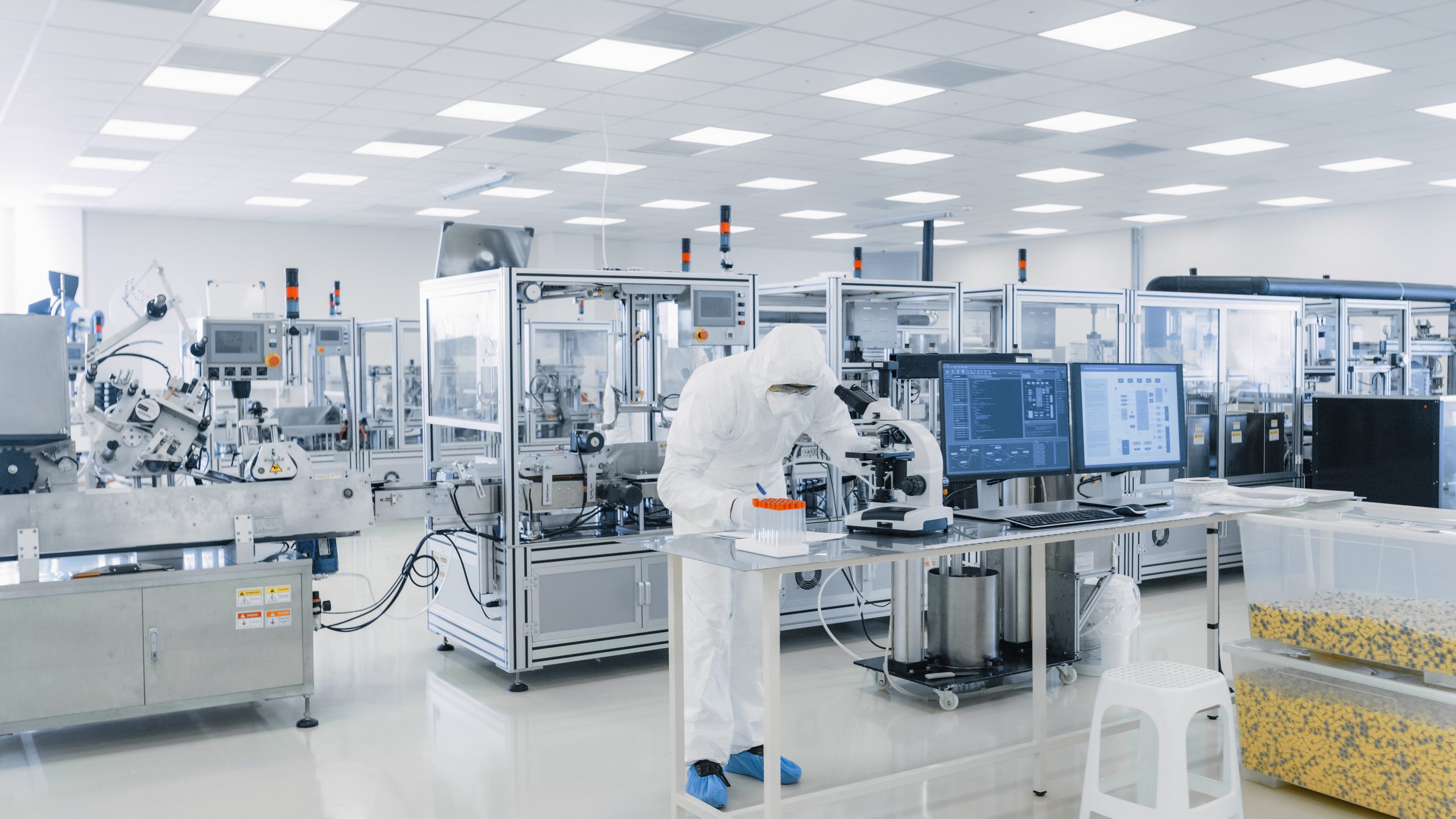
A model built from data inherits the quality of that data. Gaps in instrumentation or a narrow operating history will show up in the results, and an AI tool won’t always tell you where these lie. An engineer still has to validate the model performance against how your equipment actually behaves and across the operating range it will be used for. When used in a GMP environment, this validation isn’t optional.
A model that supports Management of Change or validation activities must be documented and controlled like any other system that affects product quality. It also needs reflect your current process. A model that isn’t maintained eventually drifts away from your process, people stop trusting it, and it quietly becomes shelfware. The contract manufacturer above avoided this pitfall by building the digital twin into its change management process. After a change is tested in the digital twin and implemented in production, that change is documented and Onyx 360 updates the model. This ensures the digital twin remains an evergreen tool for teams rather than a side project for someone to complete when and if they have time.
What This Means for Your Product Pipeline
For most life sciences teams, the question used to be whether a digital twin was worth the effort (and cost) to build. As AI reduces that effort, the better question is where in the pipeline a digital twin would improve and support cross-functional collaboration. For some teams, that is a new product introduction or a move to multi-product manufacturing. For others, it is when validating a change or training new operators.
Our process at Onyx 360 is to help clients define what problems need to be solved, design an accurate, scalable model to solve those challenges, and most importantly, ensure the model remains useful long after development. We believe the engineering effort that goes into the original model should keep paying off over the lifecycle of the asset.
If you are evaluating where a digital twin fits in your pipeline, talk to an Onyx 360 expert.